
Optimising Campaigns Through Experimentation
In the fast-paced South African digital marketing landscape of 2026, optimising campaigns through experimentation is a game-changer for businesses aiming to boost ROI amid rising ad costs and savvy consumers. This approach leverages data-driven tests to refine strategies,…
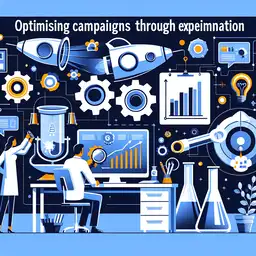
Optimising Campaigns Through Experimentation
In the fast-paced South African digital marketing landscape of 2026, optimising campaigns through experimentation is a game-changer for businesses aiming to boost ROI amid rising ad costs and savvy consumers. This approach leverages data-driven tests to refine strategies, making it a top-searched trend like AI-driven personalisation this month, helping brands like Woolworths thrive locally[2].
Why Experimentation is Essential for South African Marketers in 2026
South African businesses face unique challenges: mobile-first audiences, data privacy hurdles, and competition from global giants. Traditional campaign setups often fail due to tracking gaps and inconsistent data, leading to wasted spend[1]. Optimising campaigns through experimentation counters this by turning raw data into actionable insights via real-time tests and AI tools.
Analytics platforms enable agile adjustments, like instant bid tweaks in PPC campaigns, capturing market shifts in Johannesburg or Cape Town[1]. For instance, Woolworths uses predictive analytics from its CRM to personalise promotions, increasing basket value through ongoing experiments[2].
- Real-time monitoring prevents data drift and ensures accurate attribution.
- AI tests thousands of variables faster than manual methods, boosting ROAS[1].
- Mobile optimisation experiments align with SA's smartphone-dominant users[4].
Explore advanced CRM tools for seamless experimentation at Mahala CRM Solutions and deepen your setup with Mahala Marketing Automation.
Step-by-Step Guide to Optimising Campaigns Through Experimentation
1. Set Up Robust Analytics and Tracking
Start with unified data platforms aggregating metrics from Google Ads, social media, and email. Implement multi-touch attribution to reveal true channel impacts, avoiding last-click biases[1]. In South Africa, consent limitations demand cross-device resolution for accurate insights.
Key Setup Checklist:
- Consistent campaign tagging
- Identity resolution across devices
- AI-powered attribution models
- Regular validation against holdout groups
2. Design Controlled Experiments (A/B and Multivariate Testing)
Optimising campaigns through experimentation shines in A/B tests: pit ad creatives, headlines, or landing pages against each other. For local relevance, test sustainability messaging like Unilever's water-saving Sunlight campaigns, which drove growth through purpose-led experiments[2].
- Define hypotheses, e.g., "Personalised emails lift open rates by 20%."
- Segment audiences (e.g., Joburg vs. Durban mobile users).
- Run tests for statistical significance using tools like Google Optimize.
- Scale winners and iterate.
AI accelerates this, predicting outcomes from AI-driven personalisation trends where 70% of marketers use it for targeting[4].
3. Leverage AI and Local Trends for Advanced Optimisation
In 2026, AI shifts from experimentation to execution in SA boardrooms[7][8]. Use it for predictive bidding and hyper-local targeting, like local SEO experiments with keywords such as "Johannesburg digital marketing services"[6]. Community-driven tests on TikTok or Instagram boost engagement affordably[3][6].
Combine with omnichannel experiments: track paths from social to in-store, optimising for real behaviours[4].
4. Measure, Iterate, and Avoid Common Pitfalls
Marketing optimisation is iterative—monitor KPIs like CAC and ROAS continuously[1]. Pitfalls include siloed data or ignoring mobile load times; counter with ongoing maintenance.
| Metric | Experiment Goal | SA Example |
|---|---|---|
| ROAS | Improve via AI bidding | Woolworths CRM tests[2] |
| Conversion Rate | A/B landing pages | Mobile-first tweaks[4] |
| Engagement | Social content variants | User-generated #SAbusiness[6] |
For deeper ROI blockers, check Google's insights on unlocking profitable growth in 2026[5].
Real South African Success Stories
Unilever's Lifebuoy hygiene campaigns experimented with education-focused creatives, linking sustainability to trust and outperforming peers[2]. Small businesses use budget social tests with local hashtags, driving organic growth without big spends[6]. These prove optimising campaigns through experimentation delivers measurable wins.
Conclusion
Optimising campaigns through experimentation empowers South African brands to navigate 2026's AI, mobile, and personalisation trends with precision. By embracing iterative testing, unified analytics, and local insights, you'll cut costs, lift ROI, and outpace competitors. Start small, scale smart—your next breakthrough experiment awaits.