Designing complete customer journeys in Mautic
South African businesses are increasingly turning to Mautic , the open-source marketing automation platform, to craft seamless customer journeys that drive conversions in a competitive market. This guide explores Designing complete customer journeys in Mautic , a trending…
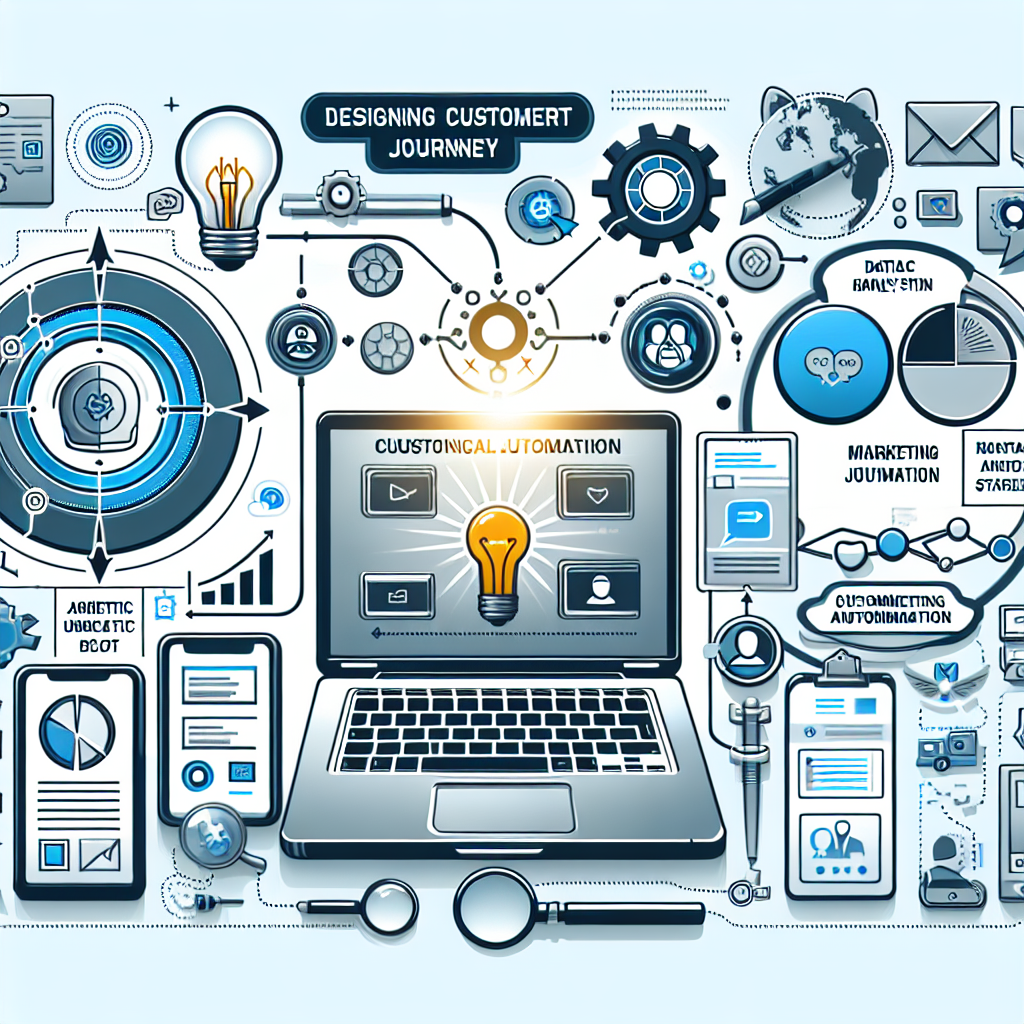
Designing complete customer journeys in Mautic
South African businesses are increasingly turning to Mautic, the open-source marketing automation platform, to craft seamless customer journeys that drive conversions in a competitive market. This guide explores Designing complete customer journeys in Mautic, a trending topic in 2026 email marketing automation, helping local marketers like you optimise workflows for higher ROI.[1][2][5]
Why Designing complete customer journeys in Mautic matters for South African marketers
In South Africa, where digital marketing budgets are tightening amid economic shifts, Designing complete customer journeys in Mautic allows SMBs to visualise the full contact path from awareness to advocacy without expensive tools. Mautic's visual campaign builder maps every touchpoint, including forks based on user behaviour, making it ideal for e-commerce and service-based firms in Johannesburg, Cape Town, and Durban.[1][2][5]
A high-searched keyword this month, "email marketing customer journey", underscores the demand for automated sequences that nurture leads efficiently. By integrating Mautic with local platforms, you can track behaviours like form submissions and email opens, personalising experiences for diverse audiences from urban professionals to township entrepreneurs.[6]
For deeper insights, explore our Mautic South Africa setup guide and Mautic segments best practices on Mahala CRM.
The five essential steps for Designing complete customer journeys in Mautic
Mautic divides the customer journey into five core stages: awareness, consideration, purchase, retention, and advocacy. Use its drag-and-drop interface to build these flows, starting from Campaigns > New Campaign.[1][5]
1. Awareness: Build initial engagement
Kick off with welcome email drips or social integrations to raise brand visibility. Mautic's templates simplify this—no coding needed for most users.
- Create a segment for new contacts.
- Trigger automated nurturing emails.
- Track opens and clicks via heat maps for optimisation.[1][7]
2. Consideration: Offer value with assets
Upload ebooks, catalogues, or videos as Assets in Mautic. Prospects download them, revealing interest—visible in their contact history.
- Build a segment: "Leads who downloaded ebook".
- Follow up with personalised emails highlighting product benefits.
- Use conditions for IF/THEN logic based on interactions.[1][5]
3. Purchase: Guide to conversion
Segment engaged leads and automate cart abandonment flows. Mautic's triggers ensure timely nudges, boosting completion rates.
Trigger: Asset download
Action: Send "Ready to buy?" email
Condition: Time delay (24 hours)
[1][2]
4. Retention: Foster loyalty
Post-purchase, deploy pop-ups for upsells or nurturing campaigns. Track lifecycle stages like "Customer" to automate re-engagement.[1][4]
5. Advocacy: Turn buyers into promoters
Send web push notifications like "Thanks for your purchase—you earned points!" to encourage reviews and referrals, covering multi-channel touchpoints.[1]
Optimising your Mautic workflows for South African success
Test journeys with sample contacts: simulate paths, check segments, and set failure notifications. Aim for modularity—reuse welcome sequences across campaigns. For 2026 trends, map personas and emotions at each stage, using free tools like Lucidchart for initial sketches before importing to Mautic.[2][3][6]
Learn more from this external resource: Mapping the Customer Journey with Mautic.[1]
Conclusion: Start Designing complete customer journeys in Mautic today
Designing complete customer journeys in Mautic empowers South African marketers to deliver epic brand experiences, from lead gen to loyalty. Implement these steps, iterate with real data, and watch engagement soar—your competitive edge in 2026 awaits.[1][5][10]